
Flagstaff vs Sedona: Which Town Fits You?
Should I buy in Flagstaff or Sedona?
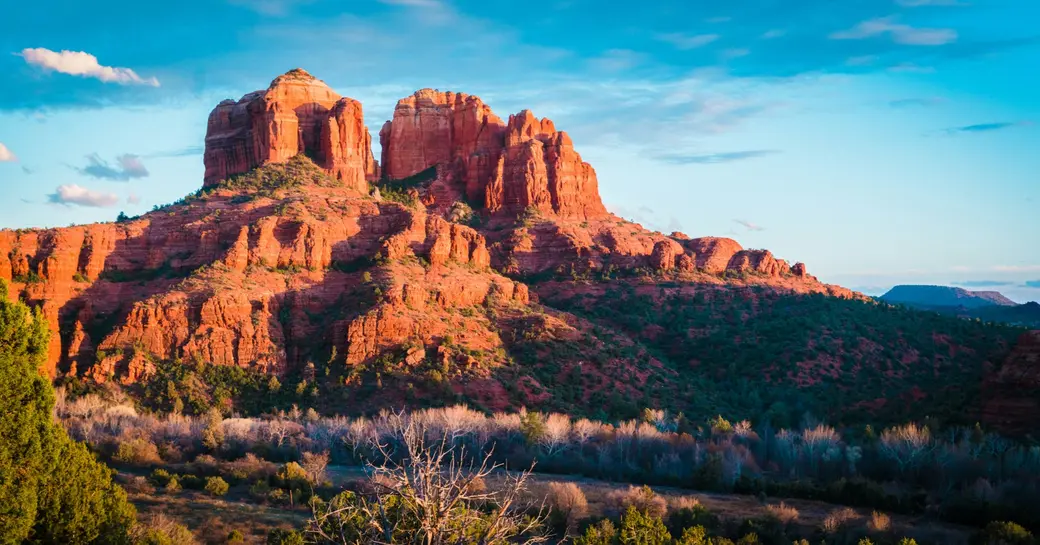
They're only about 30 miles apart, but they're very different buys. Sedona sits around 4,300 feet among red rocks, with mild winters, a tourism economy and a median sale price just over $1 million. Flagstaff sits at about 7,000 feet in the pines, with real snow, a university-town feel and a median around $700,000. Sedona tends to fit buyers who want scenery and warm-weather living. Flagstaff tends to fit buyers who want four seasons and more everyday services close by.
Data last verified October 2026
We get this question a lot, and we love it, because there's no wrong answer. Both towns are beautiful. They just suit different people, and the differences matter more once you live there than when you visit for a weekend.
We live and work in Flagstaff, so you can guess which way we lean. We've tried to keep this fair anyway. Sedona is a beautiful town, and for some of our clients it's clearly the better fit. We help buyers in Sedona and the Verde Valley too.
It's part of our complete guide to moving to Flagstaff.
In this guide
At a glance
| Flagstaff | Sedona | |
|---|---|---|
| Elevation | About 7,000 ft | About 4,200 to 4,500 ft |
| Average July high | 82°F | 97°F |
| Average January low | 18°F | 34°F |
| Median sale price | $699,537 | $1,022,024 |
| Median days on market | 33 | 53 |
| Combined retail sales tax | 9.386% | 10.40% (Coconino side), 9.85% (Yavapai side) |
| County | Coconino | Split between Coconino and Yavapai |
| Commercial airport | Yes (FLG) | No scheduled airline service |
Sources: Redfin (three months ending August 2026), 1991 to 2020 climate normals (Arizona State Climate Office for Flagstaff, NOAA station Sedona via NCEI), ADOR rate table effective October 1, 2026, Arizona Commerce Authority and Visit Sedona elevations.
Climate and elevation
This is the biggest difference, and it's the one to think hardest about. Sedona is more than 2,500 feet lower than Flagstaff. The drive between them, about an hour through Oak Creek Canyon on 89A, feels like changing climates.
Average January low temperature
Sedona's winters are much milder
1991 to 2020 normals.
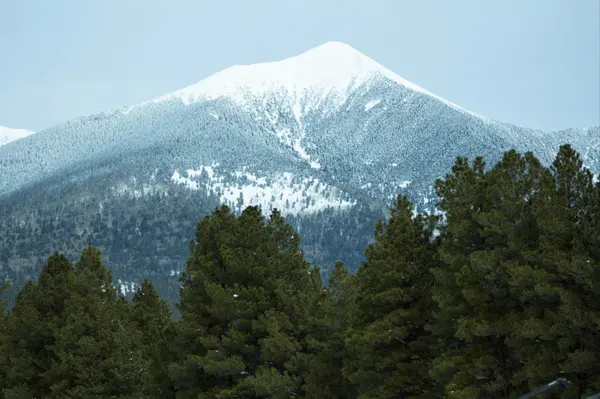
Flagstaff averages about 90 inches of snow a year. Visit Sedona says Sedona gets about 3.5 inches. In summer it flips: Sedona averages a 97°F July high, Flagstaff 82°F. A lot of Valley buyers pick Flagstaff because they're done with heat, and pick Sedona because they're done with cold. Knowing which camp you're in answers most of this question.
Home prices and land
Sedona's median sale price was $1,022,024 for the three months ending August 2026, down 11.6% from a year earlier, per Redfin. Flagstaff's was $699,537, essentially flat. Homes in Flagstaff also sold faster, a median of 33 days vs 53.
Land is the quiet driver in Sedona. The city's 2024 Community Plan says 49% of the land inside city limits is national forest, the city was about 82% built out in 2022, and steep terrain, floodplains and access keep many of the remaining lots from being built on. Less room to build means fewer new homes coming.
Flagstaff has its own limits, including national forest around much of the city, but it has more neighborhoods at more price points, from condos and townhomes to new construction to acreage out in the county. Our Flagstaff neighborhoods by budget page shows what each price range buys.
Taxes
The City of Sedona doesn't levy a property tax of its own. Property in Sedona still pays county, fire and other district taxes, and those vary by which side of the county line a home is on. The City of Flagstaff does levy a property tax, along with the county and district taxes.
Sedona's sales tax is higher: 10.40% on the Coconino County side and 9.85% on the Yavapai County side, vs 9.386% in Flagstaff, per the Arizona Department of Revenue's October 2026 rate table.
Either way, Arizona's homeowner rebate on property tax only applies to your one primary residence. If either town will be your second home, see our second home guide.
Short-term rentals
Arizona state law (A.R.S. 9-500.39) doesn't let cities ban short-term rentals or cap how many there are, but it does let them require a permit, insurance, neighbor notice and an emergency contact, and fine repeat violations. A 2026 bill that would have tightened those rules (HB2429) passed the House but died without a Senate hearing.
- Sedona charges $210 per unit per year for an STR permit, and each advertised unit needs its own permit. The city's 2024 Community Plan counted about 1,140 STRs as of 2023, roughly 16.8% of housing units.
- Flagstaff requires a city STR license, renewed yearly, plus an Arizona TPT license. HOA rules matter a lot here, since most condo and townhome HOAs in town don't allow STRs. Our Flagstaff STR rules guide has the details.
If renting is part of your plan in either town, check the HOA documents before you fall for a home. That's where we see the most heartbreak.
Everyday life: shopping, healthcare, airports
This is where Flagstaff's bigger-town services show up.
- Shopping. Walmart's store directory lists two Flagstaff stores and none in Sedona, and the nearest Home Depot to Sedona is in Cottonwood, about 15 miles away. That usually means a drive to Cottonwood or Flagstaff for big errands. Flagstaff has a Sam's Club. The nearest Costco to either town is in Prescott.
- Healthcare. Flagstaff Medical Center is the only Level I trauma center north of Phoenix, per Northern Arizona Healthcare. Sedona has a 24/7 free-standing emergency department run by Northern Arizona Healthcare, and the full hospital, Verde Valley Medical Center, is in Cottonwood.
- Air travel. Flagstaff Pulliam Airport says it has daily American Airlines flights to Phoenix and Dallas/Fort Worth. Sedona's airport is a general aviation field with no scheduled airline service, so for flights you'll head to Phoenix or Flagstaff.
- Visitors. Sedona welcomes an estimated 3 million visitors a year, according to its Community Plan. That brings great restaurants and a lot of traffic on peak weekends.
Who each town tends to fit
This is how it usually shakes out with our clients. Plenty of people break the pattern, and that's fine.
Sedona tends to fit buyers who want milder winters, red rock scenery out the window, a quieter resort-town pace, and who don't mind driving to Cottonwood or Flagstaff for errands. Buyers there usually have a bigger budget.
Flagstaff tends to fit buyers who want real seasons and summer relief from the Valley, Arizona Snowbowl just outside town, a university and the services of a regional hub, and more price points to choose from. You'll trade warm winters for that.
Some of our clients split the difference by living in Flagstaff and heading to Sedona for winter hikes and dinners. It's an easy day trip.
Frequently asked questions
How far is Sedona from Flagstaff?
About 30 miles, and Discover Flagstaff puts the drive at about an hour without stops via 89A through Oak Creek Canyon.
Is Sedona more expensive than Flagstaff?
Yes. Redfin's median sale price for the three months ending August 2026 was $1,022,024 in Sedona vs $699,537 in Flagstaff.
Does Sedona get snow?
A little. Visit Sedona says about 3.5 inches a year, vs about 90 inches in Flagstaff per the National Weather Service.
Does Sedona have a property tax?
The City of Sedona doesn't levy its own property tax, but homes there still pay county, fire and other district property taxes.
Can I run a short-term rental in Sedona or Flagstaff?
Arizona law doesn't let either city ban STRs, but both require permits or licenses, and HOAs can still restrict them. Sedona's permit is $210 per unit per year.
Not sure which town fits?
We're happy to talk through your plans and show you what your budget buys in both towns. We work with buyers in Flagstaff, Sedona and the Verde Valley. Book a strategy call with Brannon and Matt.
More in this series
Sources
- Redfin housing market pages for Flagstaff and Sedona (three months ending August 2026)
- Arizona State Climate Office, Flagstaff, NWS Flagstaff climate statistics and NOAA NCEI 1991 to 2020 normals for station Sedona
- Visit Sedona FAQ and Arizona Commerce Authority, Sedona
- Sedona Community Plan (2024)
- City of Sedona tax code and ADOR TPT rate table (October 2026)
- City of Sedona vacation rentals and 2026 fee schedule
- City of Flagstaff, STR property owners
- HB2429 (2026), showing current A.R.S. 9-500.39 and KNAU (April 2026)
- Walmart Arizona store directory, Home Depot near Sedona, Costco Arizona
- Northern Arizona Healthcare trauma services and Sedona emergency department
- Flagstaff Pulliam Airport and Sedona-Oak Creek Airport Authority
- Discover Flagstaff, Sedona to Flagstaff drive
This guide is general information, not tax, legal or investment advice. Prices, rates and rules change. Confirm the details for your situation with the right professional.
Categories
Recent Posts
Let's talk through your plan